What is praline chocolate?
Praliné, pralin, praline, gianduja: these words describe different preparations.
What praline is made of
The nuts are first roasted, then coated in sugar cooked until it caramelises, and finally ground. The result is a paste that is more or less fine, smooth or slightly grainy depending on the grinding.
The share of nuts shapes the taste. The higher it is, the less sweet the praline, and the more the almond and hazelnut notes come through.
Praliné, pralin and praline: three French words not to confuse
In French, praliné is the paste obtained by grinding the nuts completely. Pralin is the crushed version, in pieces, sprinkled over desserts. A praline is a whole almond coated in cooked sugar.
The praline is the oldest of the three. It is said to owe its name to the Comte du Plessis-Praslin, whose cook is believed to have created it in the 17th century.
Praline or gianduja?
Gianduja is a blend of chocolate and finely ground hazelnuts, defined by French regulations, as the French Ministry of the Economy points out. Praline, on the other hand, is based on caramelised nuts.
A praline can then be combined with chocolate without becoming gianduja. That is the case with our bars, as well as our 78% praline spread, which contains 78% praline.
Which praline chocolate bar should you choose?
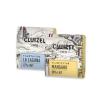
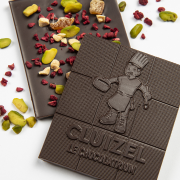
Our bars share the praline and differ in everything else. In both, the praline is blended into the chocolate: they are not filled bars.
The Praliné Intense dark 72% bar
It is the richer in cocoa of the two. Its 72% dark chocolate, with powerful aromas, balances the sweetness of the caramelised nuts. It will appeal to dark chocolate lovers who find praline on its own too sweet.
The Praliné Croustillant milk 45% bar
Here, melting praline, crispy crêpes and caramel pieces come together in a 45% milk chocolate. A touch of fleur de sel lifts the whole. It is the more indulgent of the two, close to our gourmet bars.
Praline in other forms
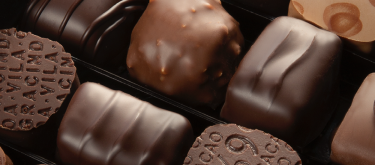
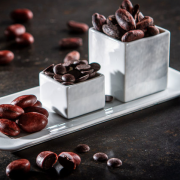
A bar is just one way to enjoy praline. Our praline chocolates come in a pouch, and our praline rochers wrap a praline centre in a coating studded with roasted almonds.
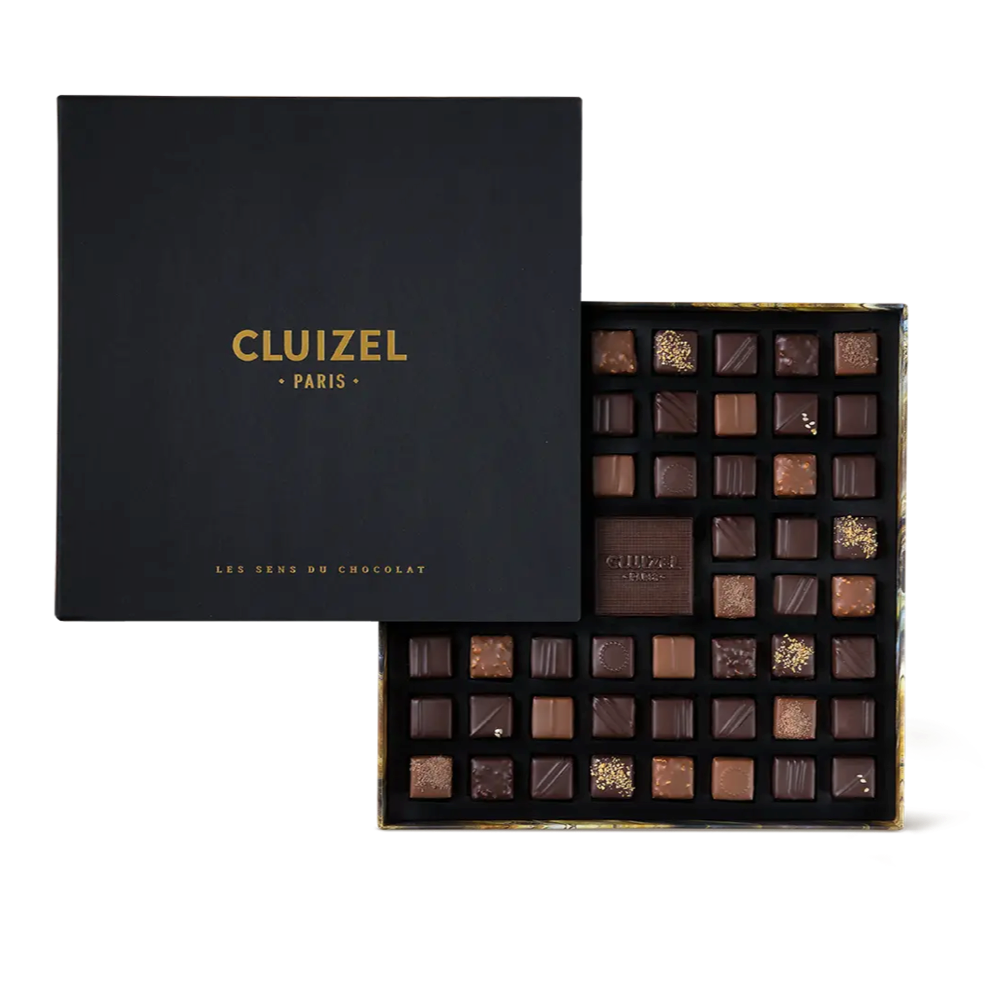
For gifts, our chocolate boxes combine ganaches and pralines.
How to enjoy and store praline chocolate
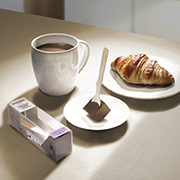
Take the bar out about fifteen minutes before tasting if it has been kept somewhere cool: when it is too cold, the praline stays firm and releases less of its aroma. Coffee goes well with it, its roasted notes echoing those of the nuts.
Store it between 16 and 18°C, somewhere dry and away from light. Once opened, close the wrapper carefully: the crunch does not like humidity.
The date shown is a best-before date. It guarantees optimal quality, not a safety limit: after this date, the bar is still fine to eat and gradually loses some of its aroma.
Allergens and dietary requirements
A praline bar brings together several families of ingredients. Both our bars contain three major allergens:
- tree nuts, almond and hazelnut;
- milk;
- gluten, from the wafer or the crêpes.
They are therefore not suitable for a vegan or gluten-free diet. The ingredients and any possible traces are listed on each product page, as well as on the packaging.
Praline made at the Manufacture
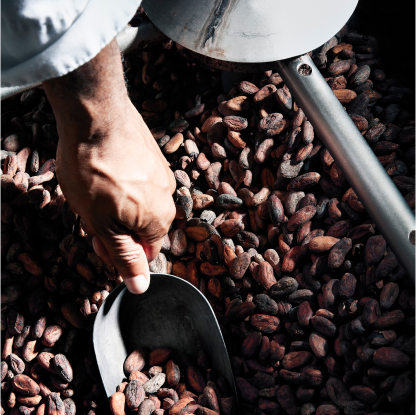
The Manufacture brings together the crafts of Cacaofèvier®, confectioner and chocolatier under one roof. It makes its own praline, just like its chocolate, and has worked directly with growers since the late 1990s, as part of its responsible commitments.
Frequently asked questions about praline chocolate
Almond or hazelnut praline?
Almond gives a gentler praline, hazelnut a stronger, more roasted taste. Our Praliné Intense bar contains both.
What is the difference between a praline bar and a praline-filled chocolate?
In our bars, the praline is blended into the chocolate and enjoyed square by square. A filled chocolate encloses the praline in a shell, like our rochers.
Does praline chocolate contain gluten?
Praline on its own, made of nuts and sugar, contains none. Both our bars do, however, through their wafer or crispy crêpes.