Baking chocolate or couverture chocolate: what is the difference?
The two terms are often used as if they meant the same thing. The first describes a use, the second a quality defined by regulation.
Under the European directive on chocolate, couverture chocolate contains at least 31% cocoa butter, compared with a minimum of 18% for chocolate. This cocoa butter makes it fluid when melted, glossy once set and smooth on the palate.
The regulation allows up to 5% of other vegetable fats in chocolate. In our chocolates, the only fat is pure cocoa butter, as required by the Ingrédients Nobles label created by the Manufacture CLUIZEL in 2000: no added flavourings, no soya and no GMOs.
Couverture is not a separate family: it comes in dark, milk and ivory. The percentage on the pack adds cocoa mass and cocoa butter together, without showing the split. Two 70% chocolates can therefore behave very differently.
Which baking chocolate to choose from the Secrets de Pros range?
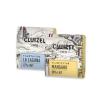
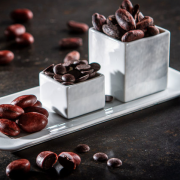
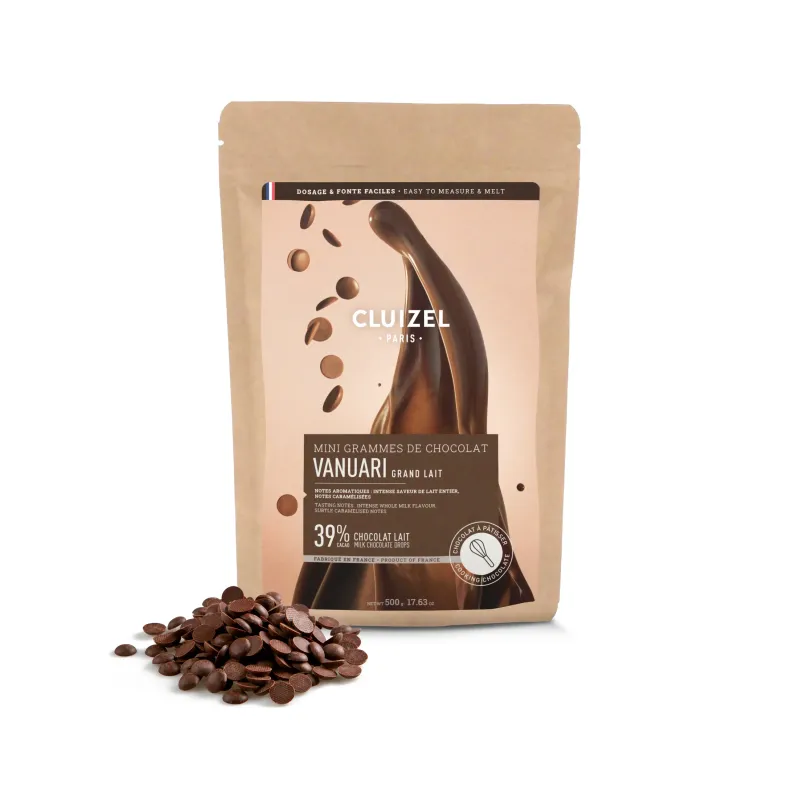
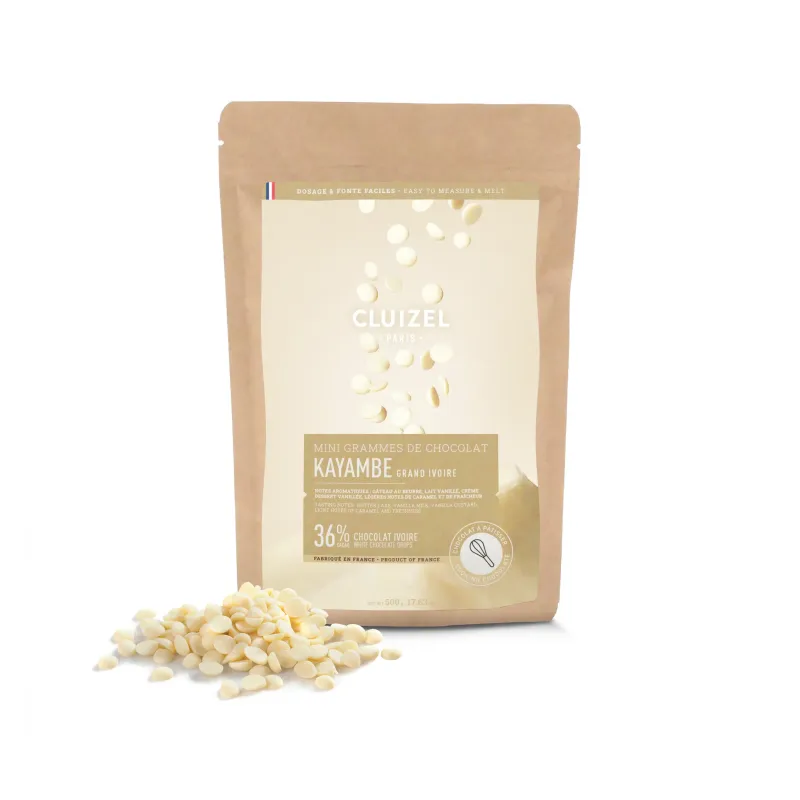
Our chips play the role of the pistoles used in professional kitchens: calibrated drops, ready to melt, and small enough to fold into a batter. Twelve references cover the three families, including two indulgent recipes: Z Café 70% with coffee beans and Z Caramel 43% with caramel pieces. They are all gathered in our chocolate chips category.
| Family |
References |
Percentages |
Best for |
| Dark chocolate chips |
Elianza, Vanuari, Z Café, Kayambe, Arcango, Noir Infini |
55% to 99% |
Brownies, ganaches, glazes, mousses |
| Milk chocolate chips |
Elianza, Vanuari, Z Caramel, Kayambe |
35% to 45% |
Cookies, entremets, milk chocolate ganaches |
| White chocolate chips |
Kayambe ivory, Kewane blond |
34% and 36% |
Whipped ganaches, tangy fruit |
Dark, milk or white: which chocolate for which recipe
Dark chocolate is the choice whenever chocolate should take the lead: less sweet, it stands up to rich batters without becoming cloying. Milk chocolate suits recipes where chocolate plays a supporting role, and pairs well with caramel and hazelnut. White chocolate calls for acidity: raspberry, apricot or lemon.
If you want the best chocolate for baking without having to choose for every recipe, our Kayambe dark 72% chips remain the most versatile, with their woody, slightly liquorice notes.
What makes the difference with supermarket chocolate
The difference starts with the cocoa: its share of the recipe, the origin of the beans and the way they are processed at the Manufacture, from roasting to finished chocolate.
It also comes down to the ingredient list. Kayambe dark 72% chips contain just four ingredients: cocoa, sugar, cocoa butter and Bourbon vanilla pods. Four of our six dark chocolate references contain no emulsifier.
How to use your couverture chocolate
Melting chocolate
Using a bain-marie, place the bowl over barely simmering water, without touching the water. Do not exceed 50 to 55°C for dark chocolate, or 45 to 50°C for milk or ivory. A utensil that is not perfectly dry is enough to make the chocolate seize. In the microwave, heat in 30-second bursts and stop when two thirds of the chocolate has melted.
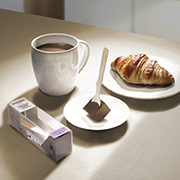
The chips also melt in hot milk: a hot chocolate made this way has a texture and length that cocoa powder cannot match, the same idea behind our hot chocolate spoon.
Tempering for coating, moulding and decorating
Tempering crystallises cocoa butter in its most stable form. It becomes essential whenever the chocolate stays visible: coating dark chocolate truffles, moulding, curls. Without it, chocolate turns white, loses its shine and no longer snaps. Here are the most common guidelines:
| Type of chocolate |
Melting |
Pre-crystallisation |
Working temperature |
| Dark |
50 to 55°C |
28 to 29°C |
31 to 32°C |
| Milk |
45 to 50°C |
27 to 28°C |
29 to 30°C |
| Ivory or white |
45 to 50°C |
26 to 27°C |
28 to 29°C |
A kitchen thermometer is the only essential tool. Then work in a room at around 20°C.
Ganaches, inclusions and quantities
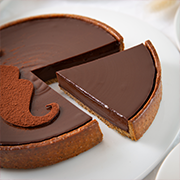
For a ganache, pour the hot cream over the chocolate in three additions, mixing well with a spatula after each one. Our milk chocolate tart combines 260 g of Vanuari milk 39% chips with 280 g of cream in this way.
For inclusions, toss the chips in a tablespoon of flour so they don't sink to the bottom of the tin. As a guide, allow 200 g of chocolate for chocolate cookies for five, 210 g for a ten-slice brownie and 90 g for a panna cotta for six. Discover all our chocolate recipes.
Frequently asked questions about baking chocolate
Can I replace standard baking chocolate with couverture chocolate?
Yes, weight for weight and with a similar cocoa percentage. Couverture melts better and gives a finer texture. Being richer in cocoa butter, it can make a ganache softer: reduce the cream slightly if needed.
Why has my chocolate turned white?
A greasy white film comes from poor tempering or a temperature change: the cocoa butter rises to the surface. The taste is unaffected, and the chocolate is as good as new once melted again. A rough film comes from humidity, which has made the sugar recrystallise.
Should baking chocolate be kept in the fridge?
No. Keep it between 16 and 18°C, somewhere dry and away from light, in a well-sealed bag or an airtight container. The fridge causes condensation, and chocolate picks up odours there.
What is the difference between baking chocolate and eating chocolate?
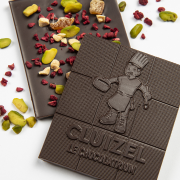
Eating chocolate is made to be enjoyed as it is. Baking chocolate is made to be melted, mixed and crystallised. Our chocolate bars, whether dark or milk, belong to the first category; Secrets de Pros chips to the second.