What is a dark chocolate bar?
A supermarket bar and a 99% tasting chocolate are worlds apart. The difference starts with what goes into them.
Cocoa mass, cocoa butter and sugar
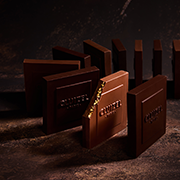
Dark chocolate combines cocoa mass from ground beans, cocoa butter and sugar. It contains no milk powder, unlike milk chocolate bars or ivory chocolate.
The name is regulated. In France, a bar sold as "dark" must contain at least 43% cocoa, including 26% cocoa butter, as the French Ministry of the Economy points out.
What the cocoa percentage tells you
The percentage adds cocoa mass and cocoa butter together. The rest is mostly sugar: a 70% bar therefore contains no more than 30%. Our Noir Infini 99% contains just 0.8 g per 100 g.
The figure doesn't tell the whole story. Two chocolates with the same percentage can be very different, depending on the origin of the beans, how they are roasted and the share of cocoa butter.
Which dark chocolate bar should you choose?
The range is made up of three families. It all depends on what you are looking for: a terroir, a consistent taste or an indulgent treat.
Our plantation and blended bars weigh 70 g, as does the Café noir. Most gourmet bars weigh 100 g, leaving room for nuts and inclusions.
Plantation bars, a single origin
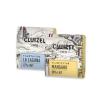
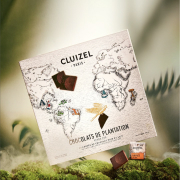
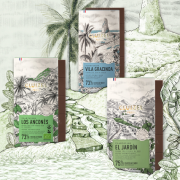
A plantation bar comes from a single, named plantation: Dominican Republic, Mexico, São Tomé, Guatemala, Brazil, Madagascar, Colombia or the Solomon Islands. They are gathered in the Plantations collection.
The soil and the way each plantation is run can be tasted. The Mangaro Plantation, in Madagascar, grew on a former mango tree jungle. The Riachuelo Plantation, in Brazil, is farmed using the cabruca system, under the canopy of the Atlantic Forest.
Blended bars, a consistent taste
A blend brings together beans from several plantations. The aim is the same taste from one batch to the next. Kayambe 72%, with its woody, liquorice notes, is the most versatile, while Arcango 85% offers hints of roasted chestnut and toasted coffee.
For lovers of intensity, Noir Infini 99%, created in 1989, was the first tasting chocolate at this percentage. A hint of ginger, cinnamon and Bourbon vanilla accompanies the cocoa.
Gourmet bars
Some bars pair dark chocolate with another ingredient. Most are made with our 72% dark chocolate, each with its own filling:
- Café noir 70%: coffee beans from Brazil;
- Praliné Intense 72%: the crunch of praline and wafer;
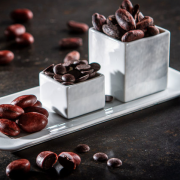
- Grué de cacao 72%: pieces of roasted cocoa beans, for extra crunch;
- Amandes caramélisées 72%: caramelised almonds;
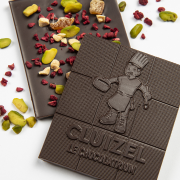
- Mendiant 72%: almonds, hazelnuts, pistachios, raisins and candied orange;
- Framboise & Cranberry 72%: raspberry, cranberry, candied lemon and almonds;
- Écorces d'Orange 72%: candied orange peel, diced and blended into the chocolate.
They are all part of our gourmet bars. Check the label if you avoid tree nuts: several of them contain some.
Reading the label on a dark chocolate bar
A fine bar needs only a few ingredients. Our plantation bars contain just three: cocoa, sugar and cocoa butter. Our blended bars sometimes add Bourbon vanilla pods.
On other bars, two things deserve your attention: vanilla flavouring instead of the pod, and a vegetable fat other than cocoa butter. The Ingrédients Nobles label rules out both.
How to taste a dark chocolate bar
Tasting takes a little preparation. Take the bar out about twenty minutes before tasting if it has been kept somewhere cool: when it is too cold, chocolate releases less of its aroma.
Let the square melt on your tongue rather than biting it. To compare several bars, start with the lowest percentage: an 85% tasted first would make a 70% seem bland. Our tasting workshops at the Manufacture follow these principles.
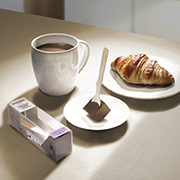
As for pairings, a 70% stands up to an espresso, and nuts extend the toasted notes of the cocoa.
Cooking with dark chocolate
A tasting bar can be used for baking, but it is designed first and foremost to be eaten as it is. For a ganache, a glaze or a coating, dark chocolate chips are more practical: they melt evenly and are easy to measure.
Our dark chocolate recipes always specify the chocolate used. The 72% dark chocolate mi-cuit is a good place to start.
Organic, vegan and gluten-free: which bars?
Part of the range meets specific requirements. It is best to check bar by bar.
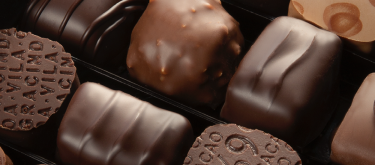
- Organic: the Los Anconès 73%, Mokaya 75% and Vila Gracinda 73% plantation bars are certified organic.
- Vegan and gluten-free: Mokaya 75% is the only bar described as vegan and gluten-free.
- The other bars may contain traces of milk, gluten and tree nuts: the label is the reference.
The Bio, Vegan and Gluten free filters on this page let you find these bars in one click. Dark chocolate remains a pleasure to savour, and its nutritional values are shown on every product page.
Chocolate crafted from bean to bar
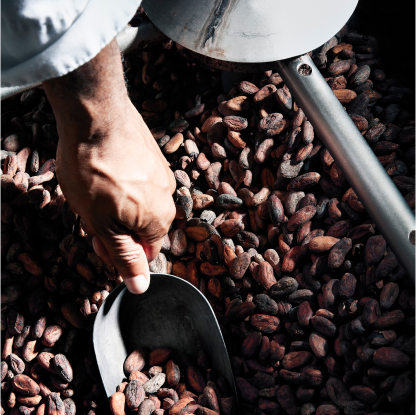
The Manufacture brings together the crafts of Cacaofèvier®, confectioner and chocolatier under one roof. It roasts, cracks and grinds its own beans, and has worked directly with growers since the late 1990s, as part of its responsible commitments.
How to store a dark chocolate bar
Keep your dark chocolate bars between 16 and 18°C, somewhere dry and away from light. Avoid the fridge: its humidity dulls the chocolate, which also picks up odours.
The date shown is a best-before date. It guarantees optimal quality, not a safety limit: after this date, the bar is still fine to eat and simply loses its aroma little by little. A white film on the surface comes from a temperature change and does not affect the taste.
Frequently asked questions about dark chocolate
Which dark chocolate bar should I start with?
A chocolate of around 70% is the best place to start: intense without being too bitter. Kayambe 72% plays this role in the range.
What is the difference between blended and plantation chocolate?
A plantation chocolate expresses a terroir, with slight variations from one harvest to the next. A blend combines several origins to keep a consistent taste. Both call for the same high standards.
Is there a 100% cocoa dark chocolate?
At CLUIZEL, the most intense bar is Noir Infini 99%. A hint of ginger, cinnamon and vanilla accompanies its intensity, with less than 1 g of sugar per 100 g.
Does dark chocolate contain milk?
Our plantation and blended bars contain no milk in their recipe. They may, however, contain traces of it, as stated on the label. Some gourmet bars contain other allergens, such as the gluten in the wafer of the Praliné Intense.